A site visit to confirm the plant and map the stand.
Free photo ID check · Mon–Fri 8am–6pm, Sat mornings
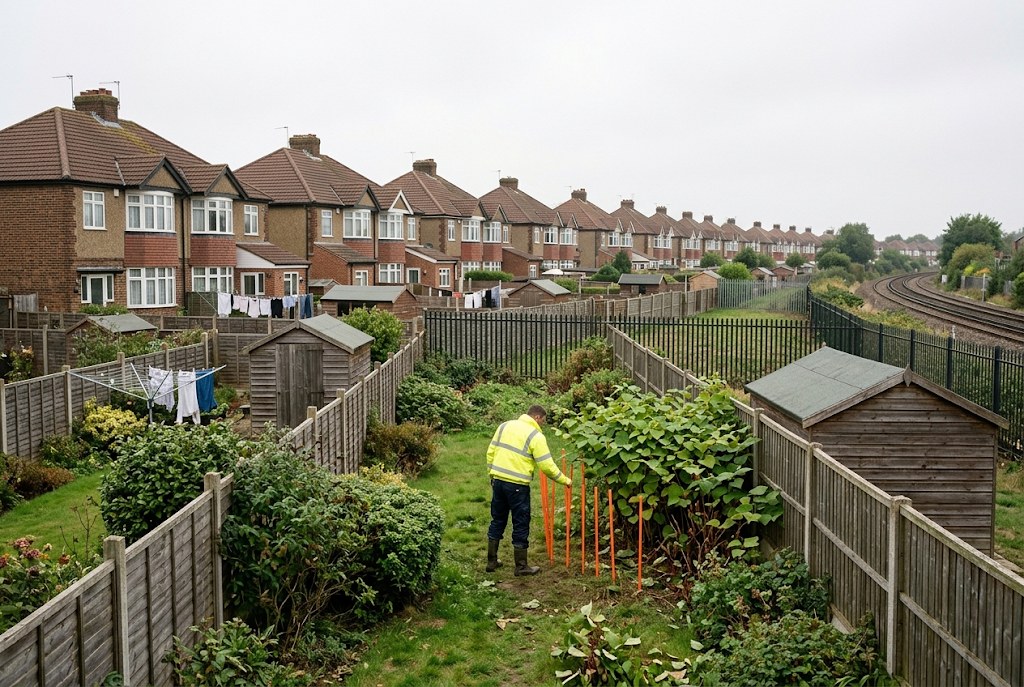
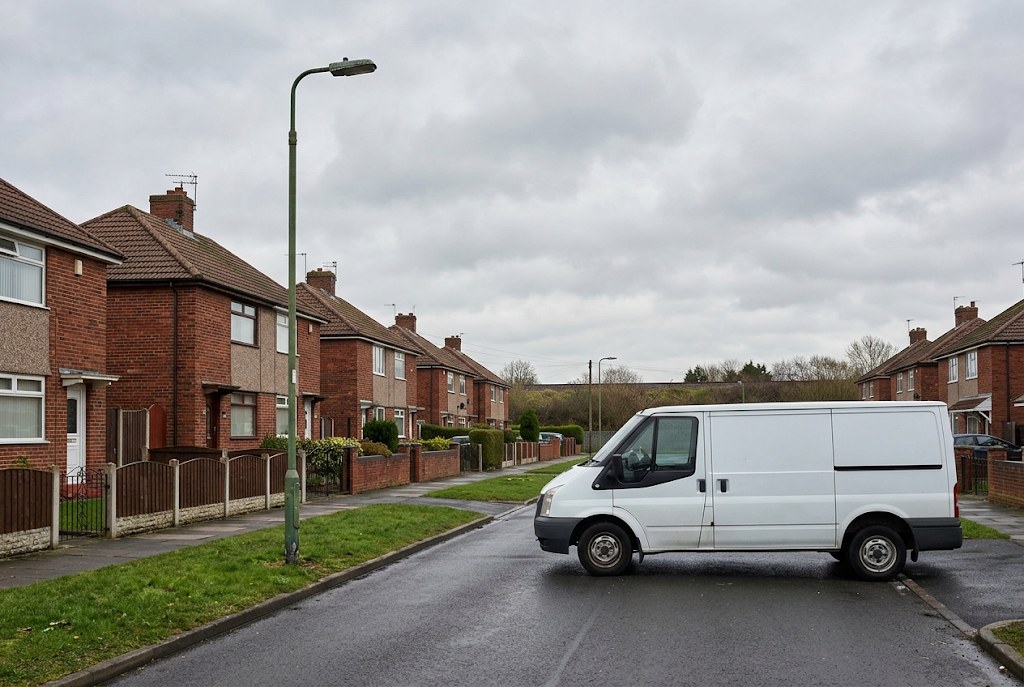
We check the plant in person, pace out the stand, photograph it and record how close it is to the house, the outbuildings, the walls and the drains. The report then lays out spraying and digging options with prices, in a format that lenders and conveyancers recognise. A typical St Helens garden takes under an hour.
We start at the plant, looking at the stems, the leaf shape and any dead canes left from last year, then follow the boundary to see whether the stand carries on beyond it. Photographs are taken from marked positions so the same view can be repeated later, and measurements are taken from the outermost canes. Distances to the house, drains, outbuildings and fences go in the report, because those are the numbers a lender or contractor asks for first.
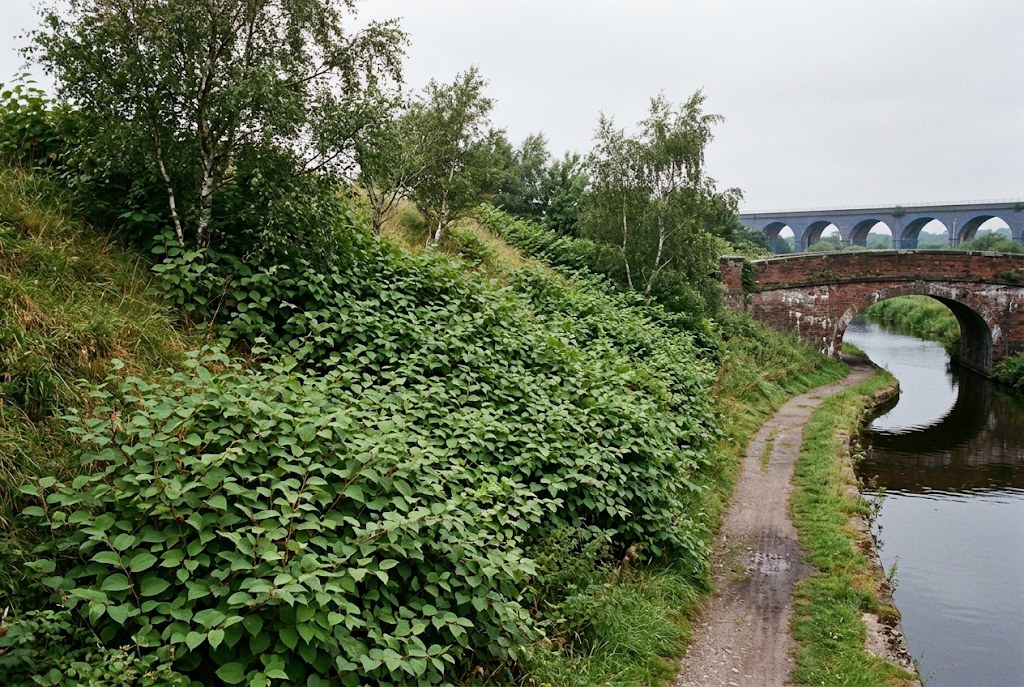
A single clump in a tidy lawn is quick to assess. A band along a canal bank, a neglected yard or a cleared plot takes more time because the edges are buried under brambles. Access counts too: a locked gate, a steep slope or an unfriendly dog all add minutes. Tell us when you book and the £275 survey price stays straightforward.
Please leave the plant untouched. Cutting, strimming or pulling it spreads fragments and makes mapping harder. It does help to clear away anything stacked round the base of the stems, and to find any earlier paperwork such as a valuer's comment or a neighbour's letter. Winter canes are enough to identify the plant, but summer gives the clearest picture of how far it has spread.
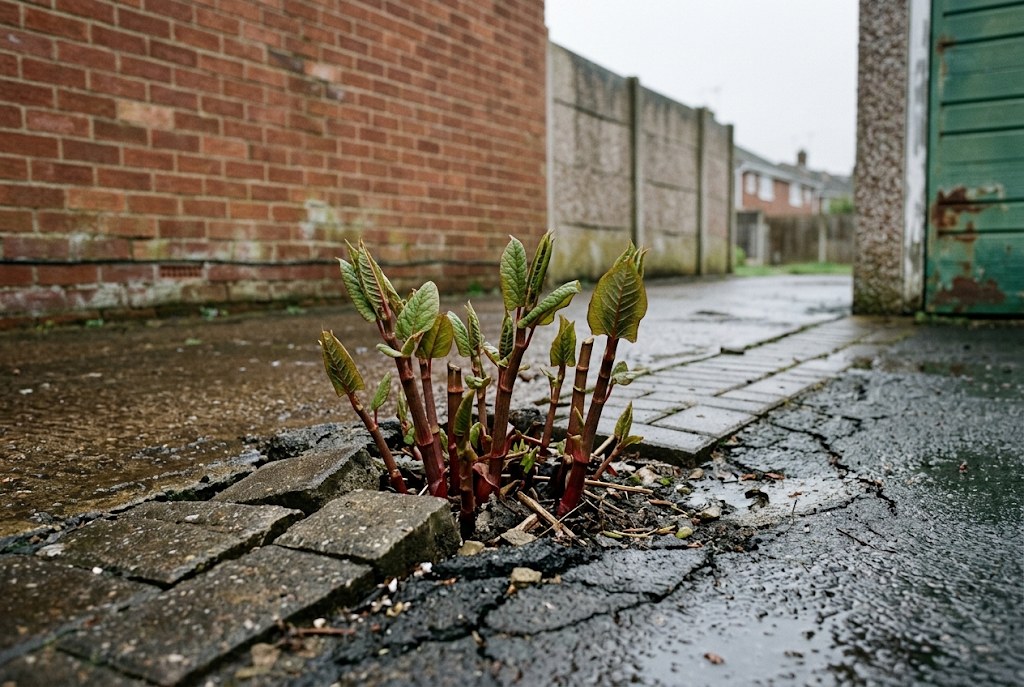
One leaf and a length of stem will do. Use the contact form or message us. No cost.
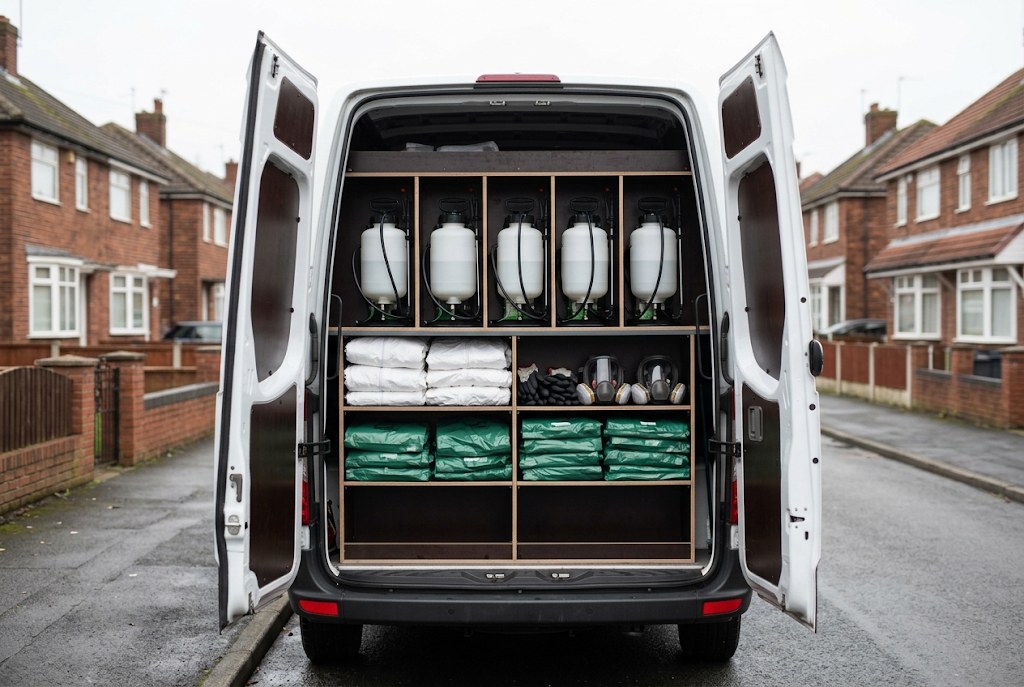
If it is knotweed we come out, measure the stand and record what is near it.
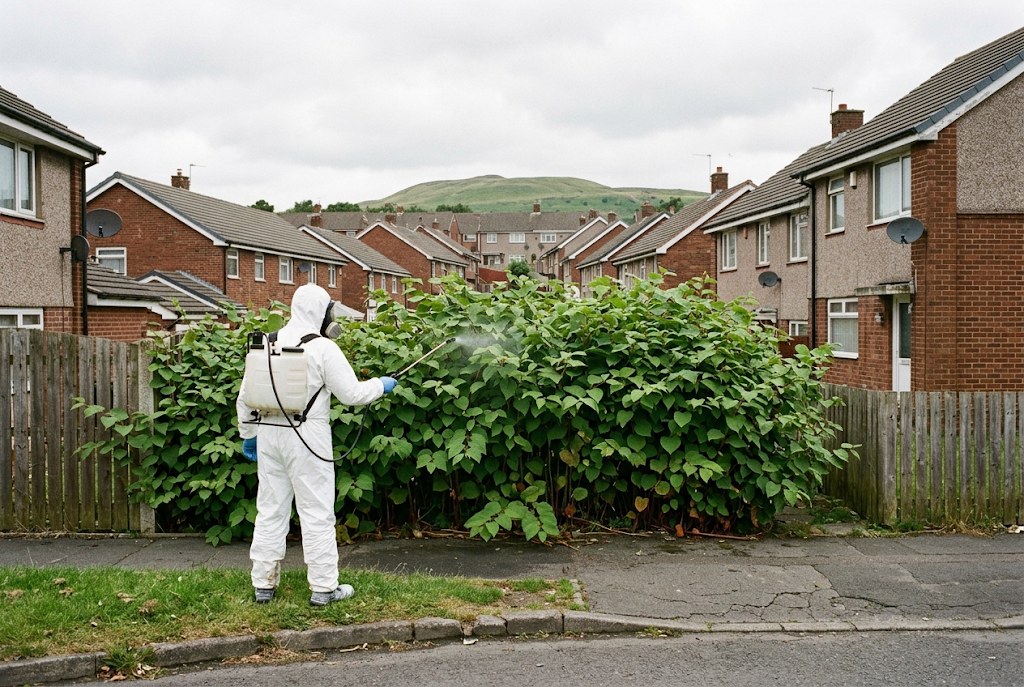
Treatment over several seasons, or excavation when the calendar will not wait.
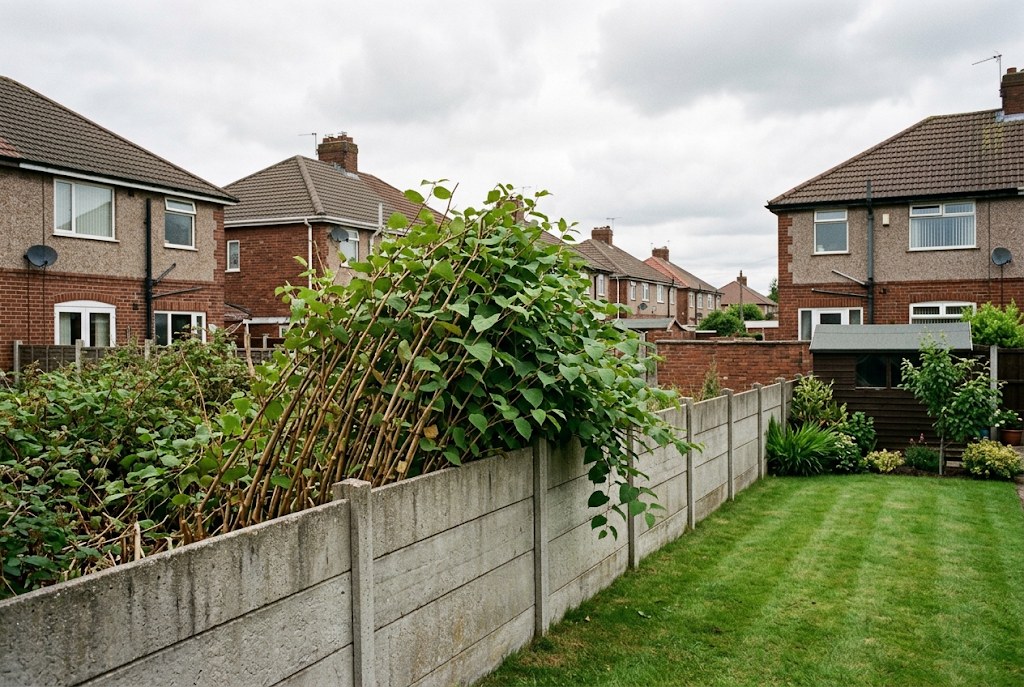
A written plan for you and your lender, plus return visits until nothing regrows.
Every job starts with a free photo check. If a visit is needed, you get a written quote before any work starts — no obligation, no surprises.
Eccleston· Windle· Thatto Heath· Parr· Rainhill· Haydock· Newton-le-Willows· Sutton· Blackbrook· Clock Face
Free knotweed ID from a photo Send a picture and we tell you what it is, for nothing. Knotweed plan for mortgages and sales The management plan lenders and buyers ask to see. Knotweed from next door A dated record of where it is and which way it is heading. Knotweed spraying programme Herbicide treatment across several seasons, with return visits. 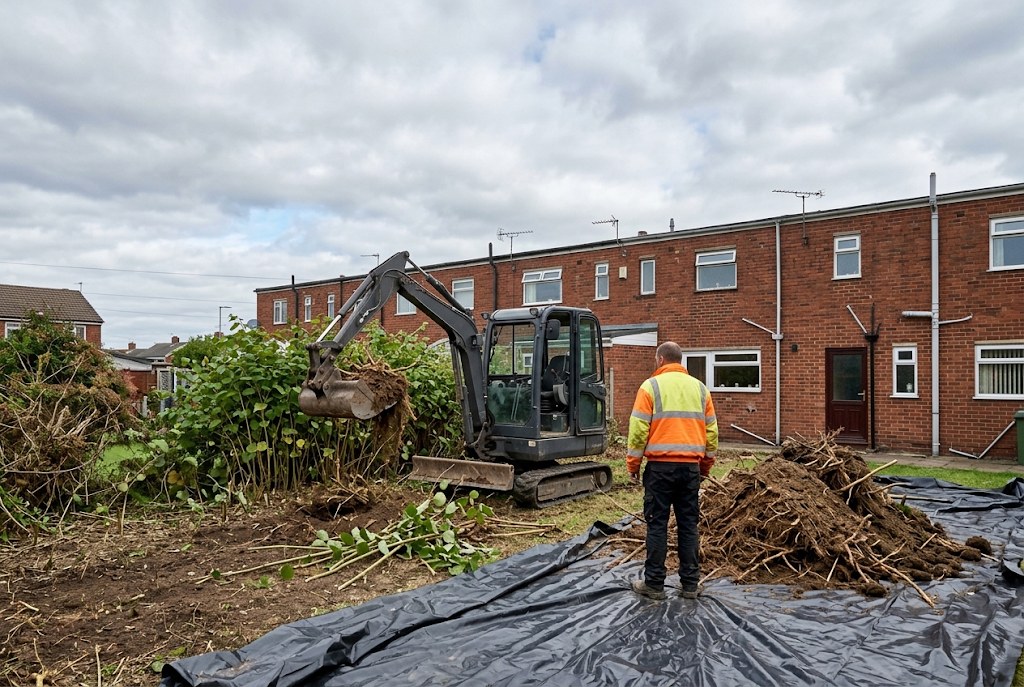 Knotweed excavation Digging out the stand and its roots in a matter of days.
 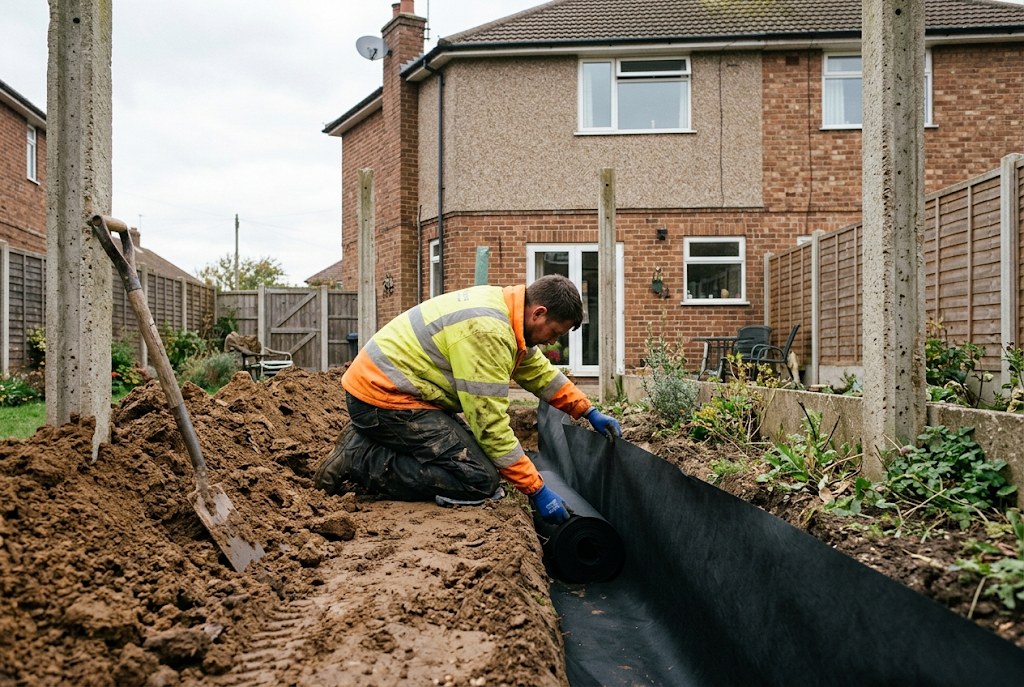 Knotweed root barrier Upright membrane that stops roots crossing a line.
 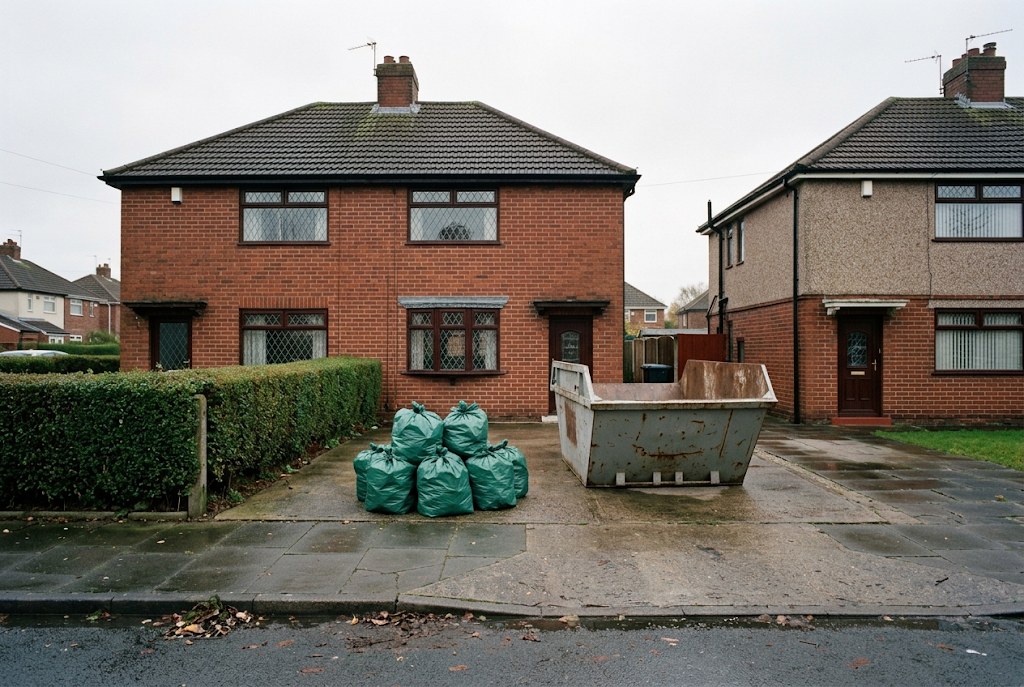 Knotweed on building plots Surveys and removal for St Helens development land. Knotweed for landlords Surveys and treatment for rented houses and flats.