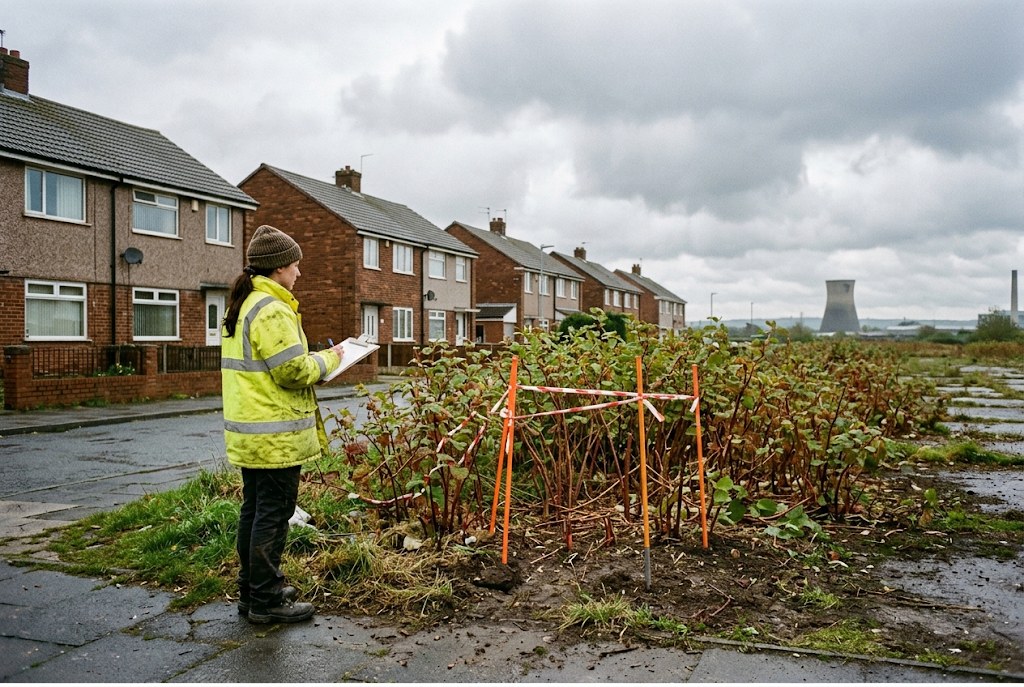
A photo check carries no charge. If the plant proves to be knotweed we survey it, plan the spraying or digging, and give you a written report that a mortgage lender or conveyancer will accept. Surveys from £275.
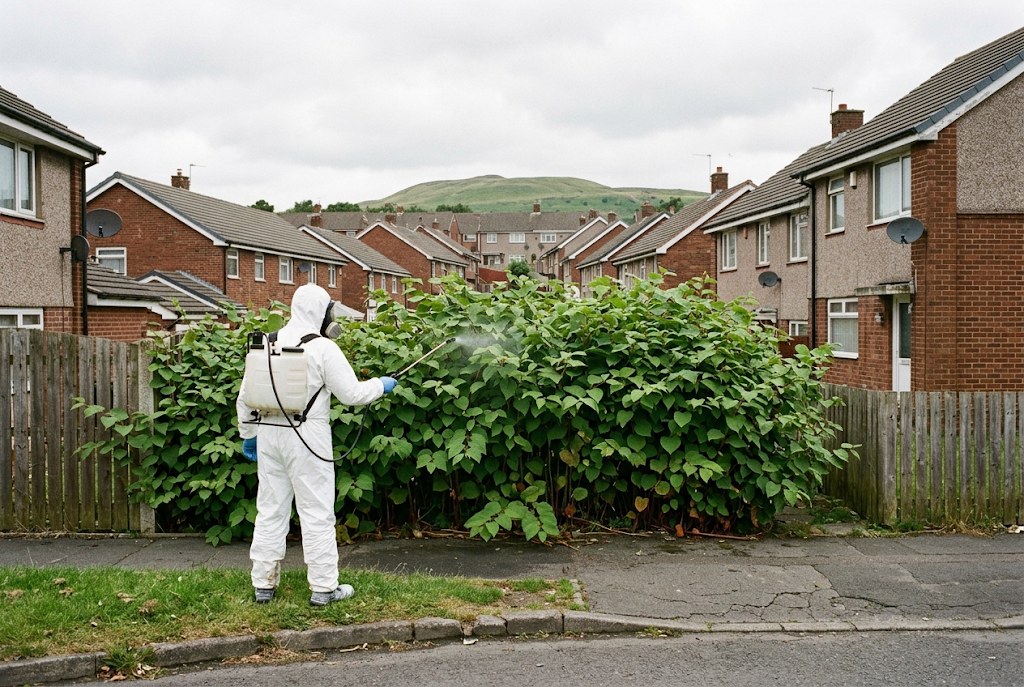
Plenty of the plants we are sent turn out to be harmless.
Take a picture of one leaf and a section of stem, then send it across. You hear back without being billed. A visit is only suggested when the plant really is knotweed, and the price is put in writing before you agree to anything.
By late autumn the stems turn brown and the garden looks clear. Underground the rhizome is still spreading, and the stand comes back bigger once the weather warms.
What the survey covers:
What you will not be charged for:
Reports follow the RICS guidance on knotweed and residential property. Take it to any contractor you like.
Former colliery, glassworks and brick-pit sites, infill plots and older rented streets are where a stand turns expensive. We survey the ground, write the method statement and carry out the spraying or excavation.
A spray programme over several seasons when time allows, excavation when it does not, and a buried membrane when the stand sits beyond your boundary. All waste leaves with the correct transfer paperwork.
Most enquiries from St Helens start with one of these.
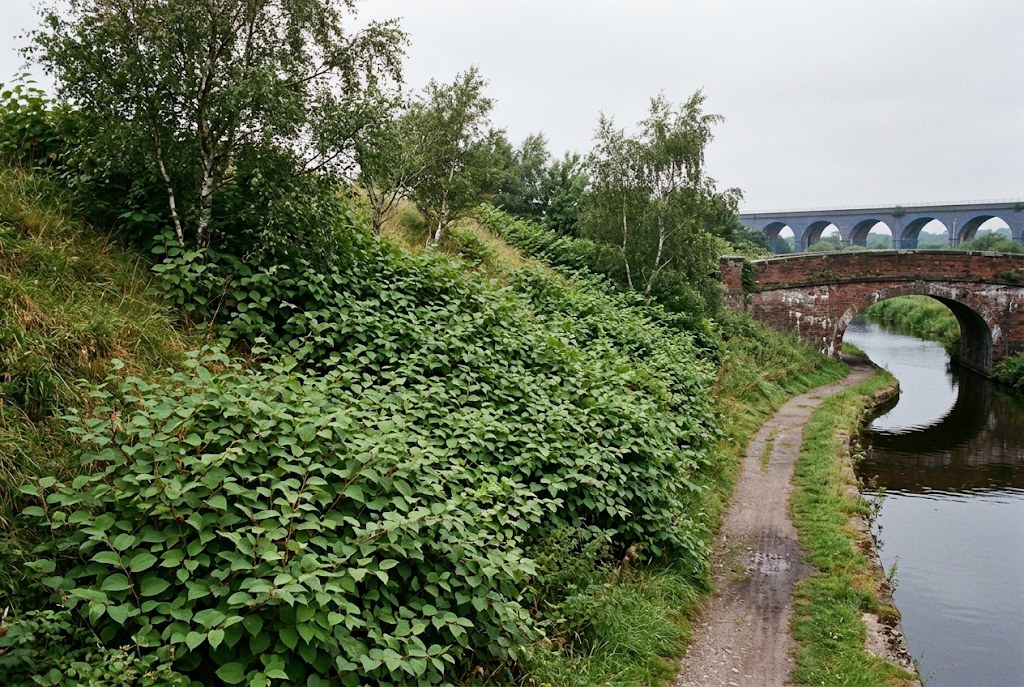
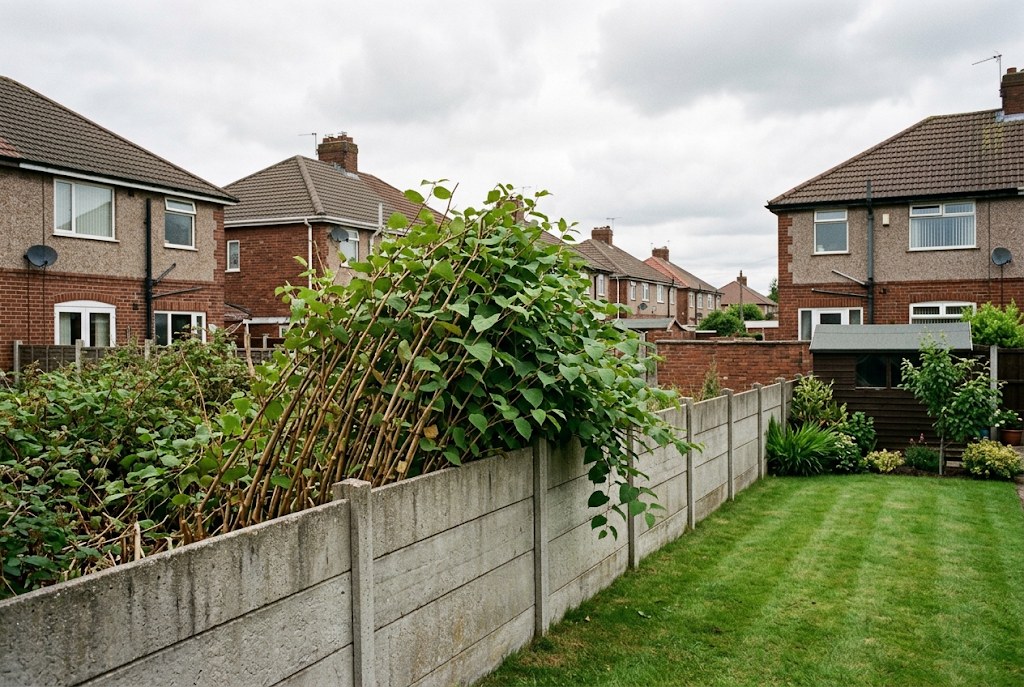
Back fences that face the Sankey canal corridor, a rail cutting or a strip of unused land see knotweed most often. A survey shows how far past the boundary it has got.
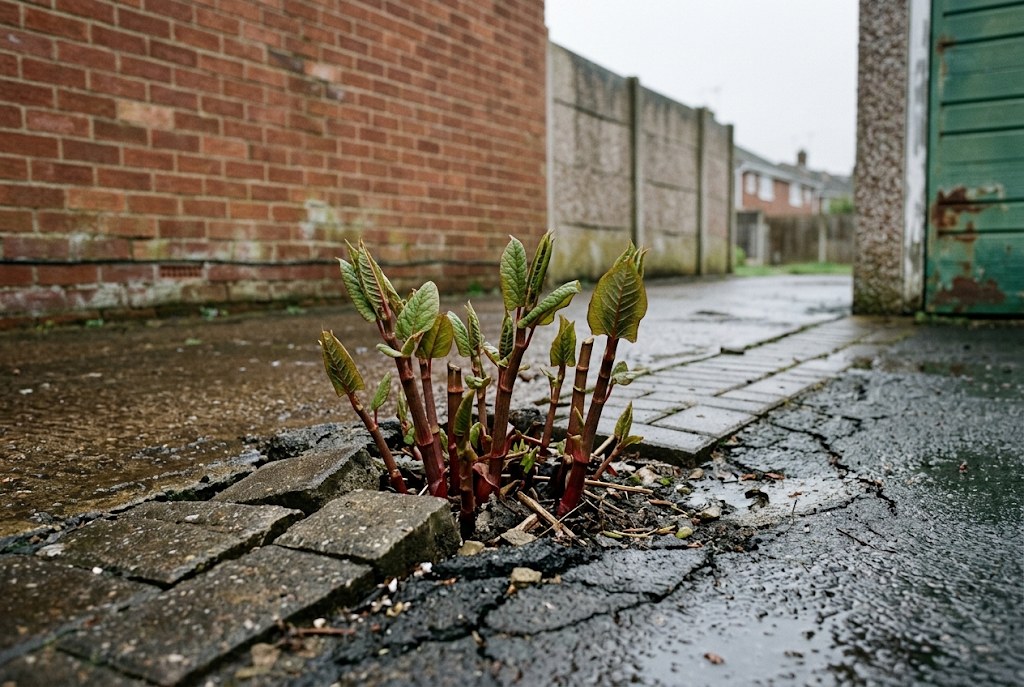
Pink-red tips appearing from April beside a garage, a greenhouse or the edge of the drive are the first thing most people notice.
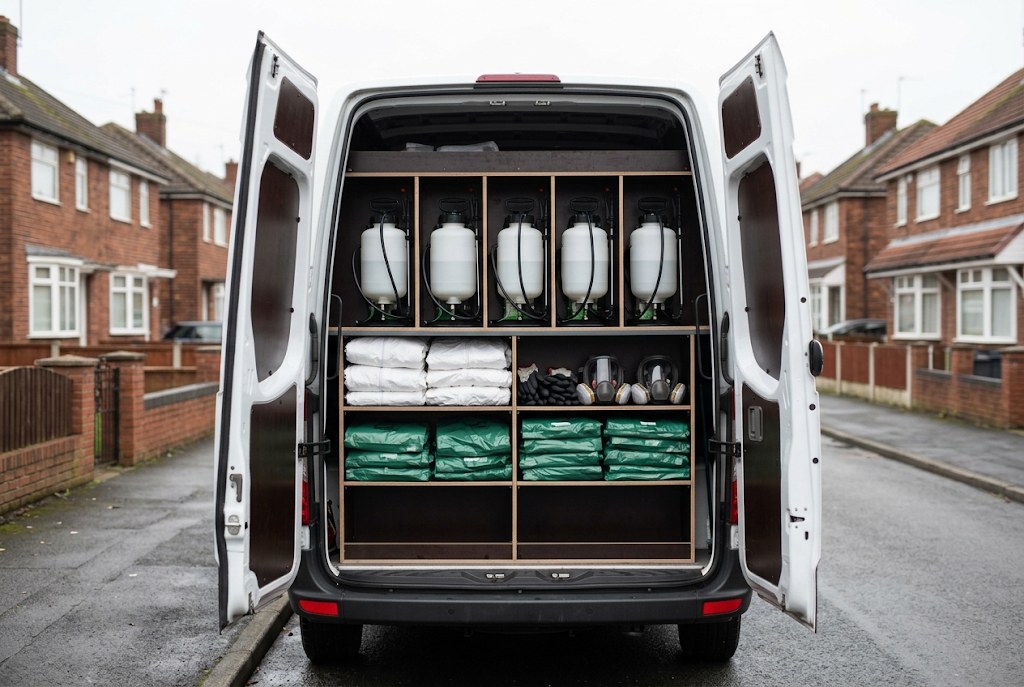
The TA6 asks about knotweed straight out. A management plan prepared in advance is far easier than finding one once a valuer has raised it.
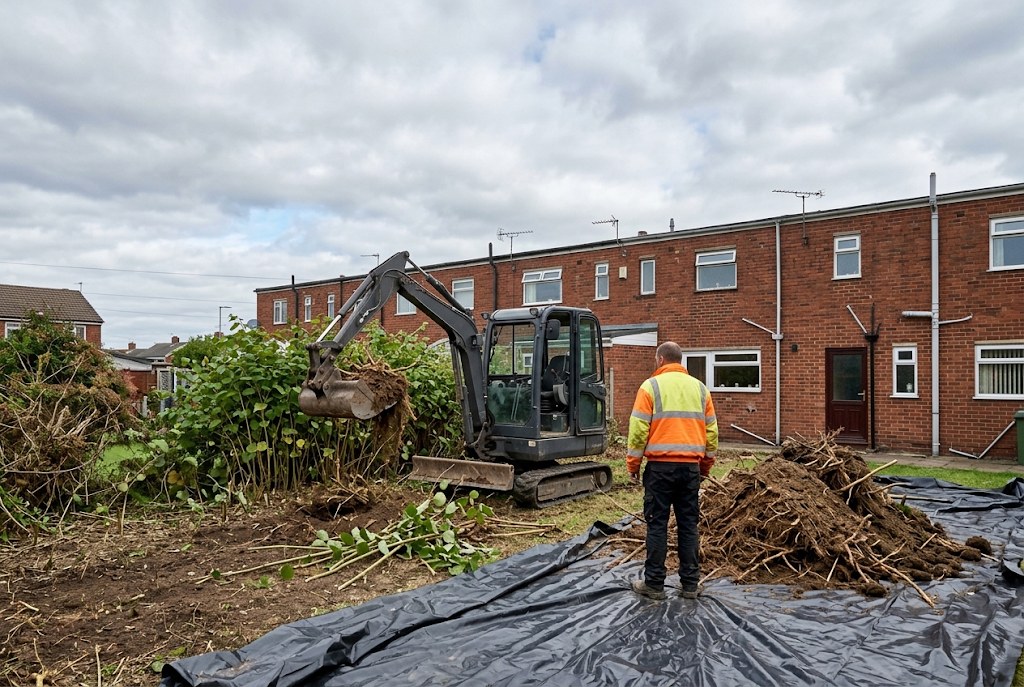
Foundations dug through a stand can carry rhizome across the whole plot. Have it dealt with before the builder arrives.
Often from an empty house, a rental or a gap site. You need a dated record of where it sits and when you reported it.
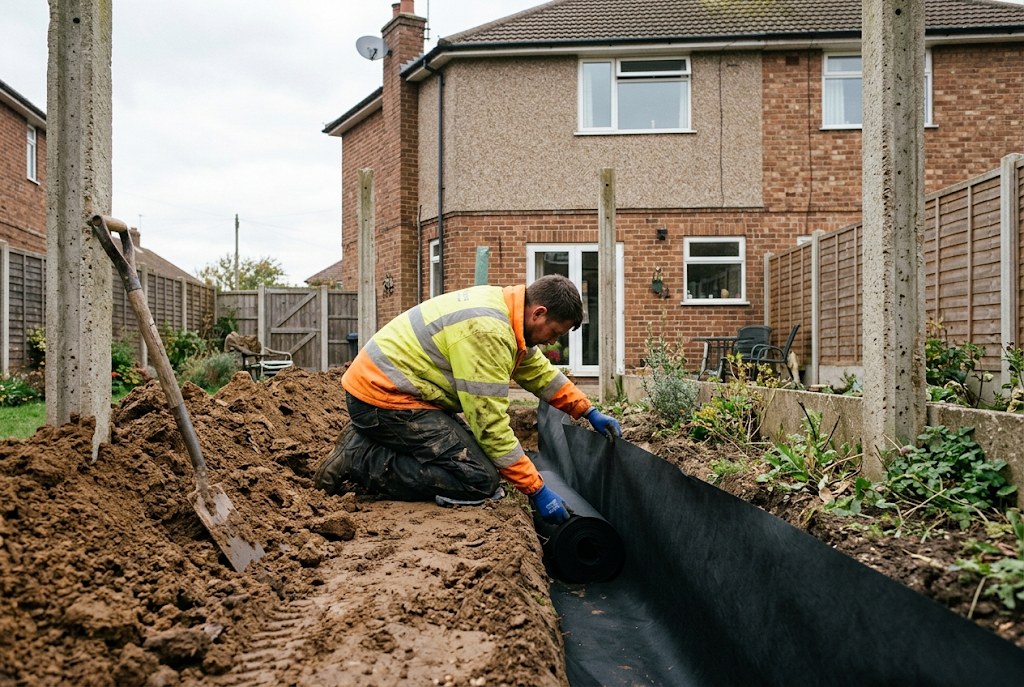
Shoots forcing up through tarmac, slabs or block paving suggest rhizome below. Plot it before anyone relays the surface.
St Helens was built on glass, coal and chemicals, and the land remembers all three. Pit heads, glassworks, alkali tips and clay pits were levelled over the decades and either built on or left to scrub, so many streets sit beside ground that was filled, regraded or abandoned. Add the Sankey canal, several railway lines and a great deal of 1930s to 1960s council and private housing, and you have the sort of broken, edgy land that knotweed settles on before it reaches gardens.
A survey shows whether the stand began in your garden or arrived from the land next door.
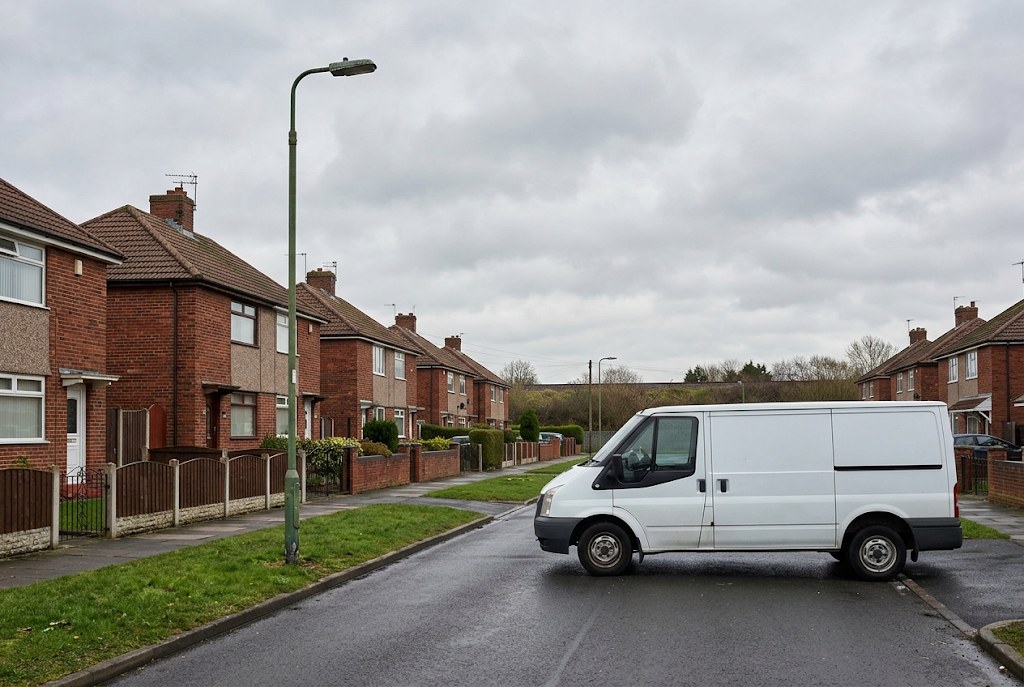
One leaf and a length of stem will do. Use the contact form or message us. No cost.
If it is knotweed we come out, measure the stand and record what is near it.
Treatment over several seasons, or excavation when the calendar will not wait.
A written plan for you and your lender, plus return visits until nothing regrows.
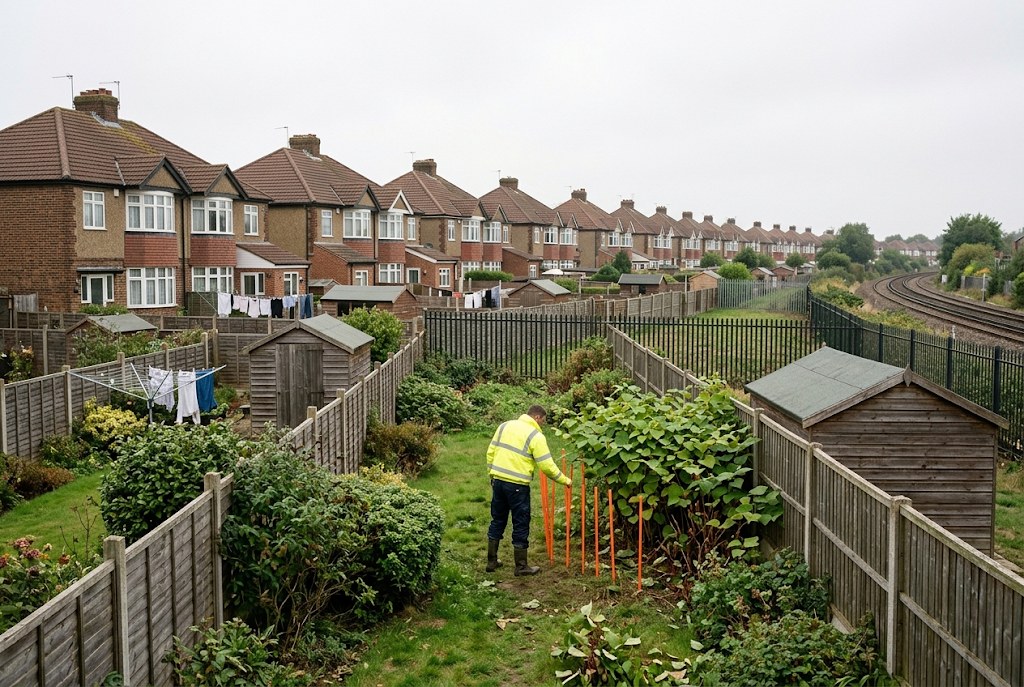
Send a photo through the contact page or ring us. Whether or not it is knotweed, you get an answer and no bill.
Addresses across WA9, WA10 and WA11, plus Rainhill (L35) and Newton-le-Willows (WA12), from the town centre out to the borough edges. Based in St Helens itself, so most visits across the borough can be fitted in within a few days.
The photo check costs nothing. The report is yours to keep. The price is agreed before any work starts.

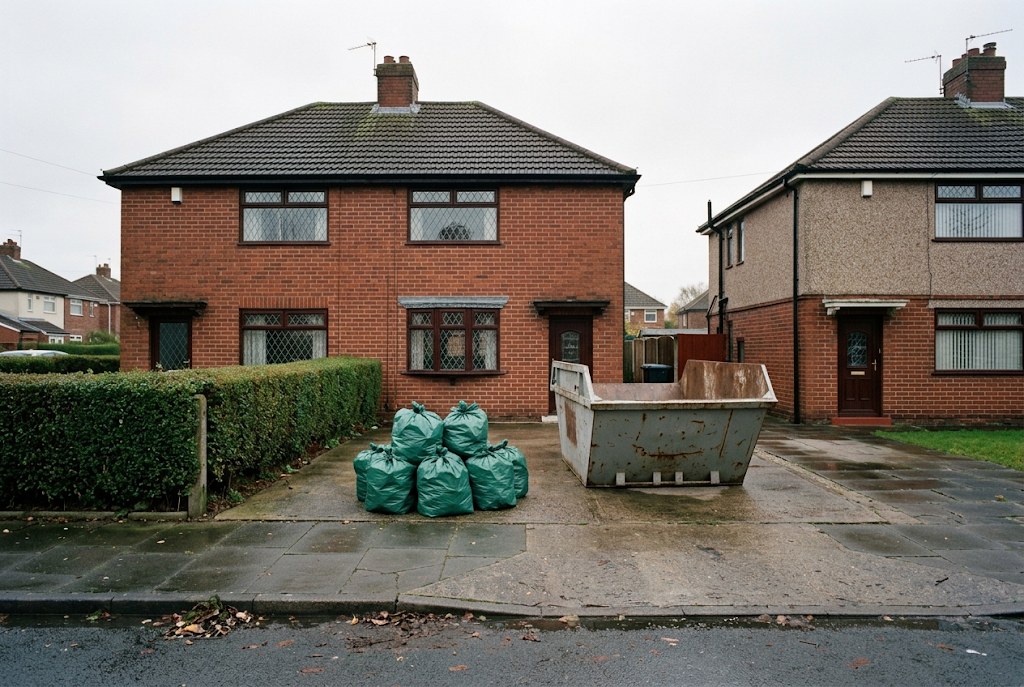 Knotweed on building plots