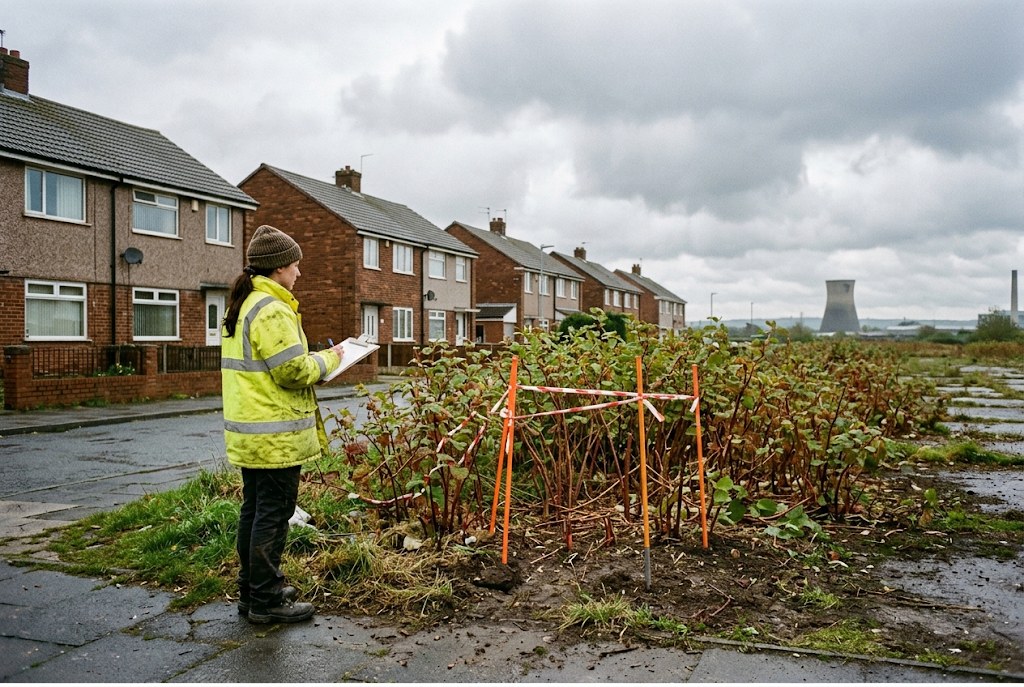
A photo check carries no charge. If the plant proves to be knotweed we survey it, plan the spraying or digging, and give you a written report that a mortgage lender or conveyancer will accept. Surveys from £275.

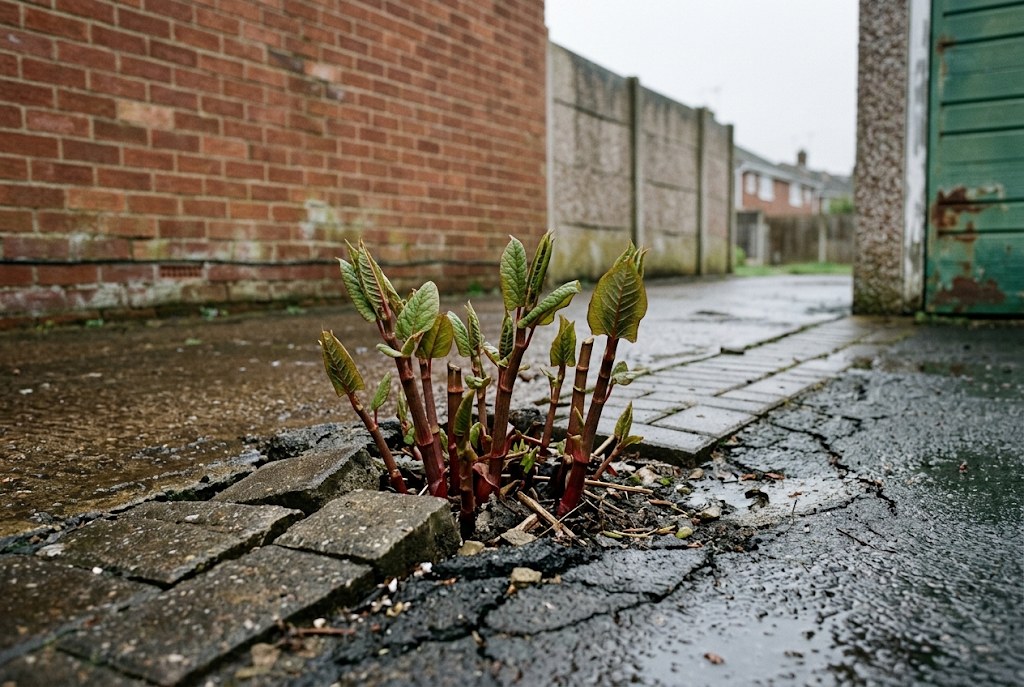
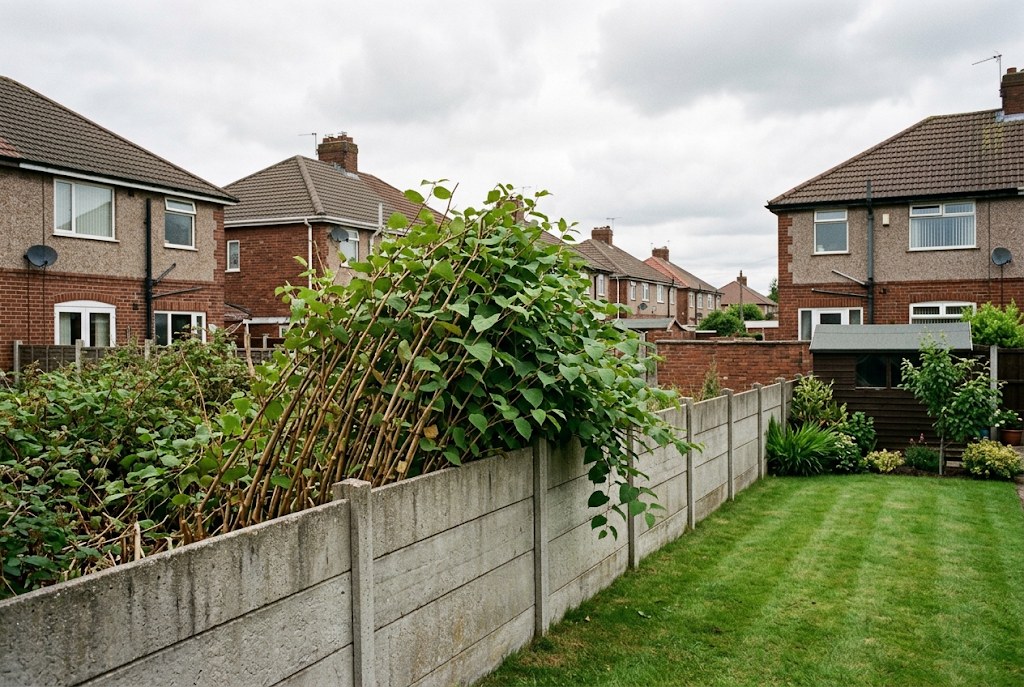
Plenty of the plants we are sent turn out to be harmless.
Take a picture of one leaf and a section of stem, then send it across. You hear back without being billed. A visit is only suggested when the plant really is knotweed, and the price is put in writing before you agree to anything.
By late autumn the stems turn brown and the garden looks clear. Underground the rhizome is still spreading, and the stand comes back bigger once the weather warms.
What the survey covers:
What you will not be charged for:
Reports follow the RICS guidance on knotweed and residential property. Take it to any contractor you like.
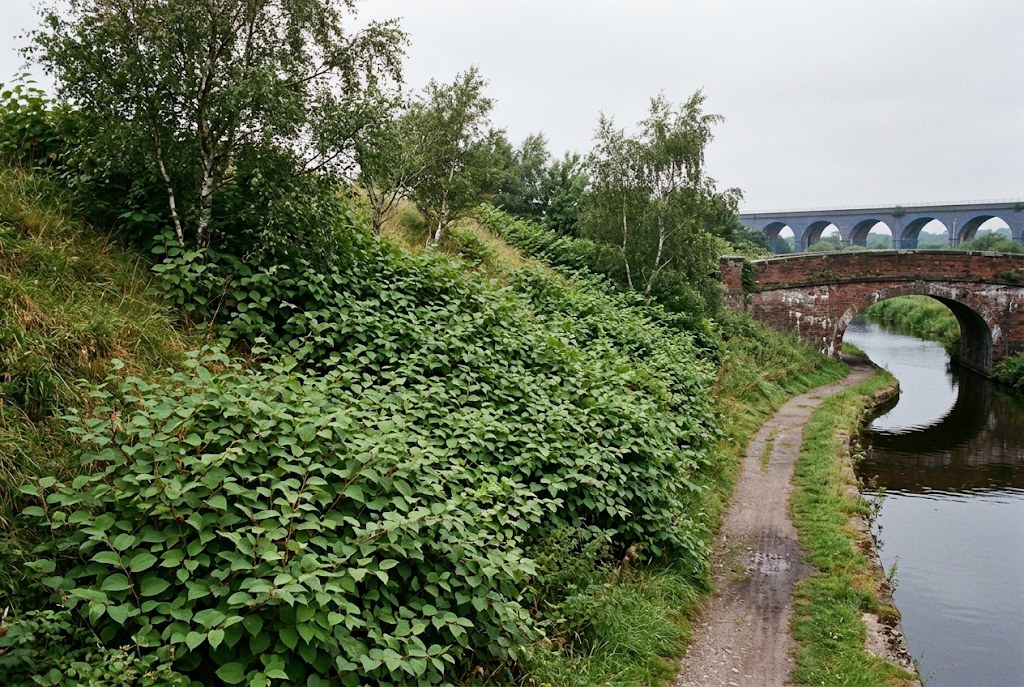
Thatto Heath is a mainly interwar and postwar district south of the centre, built on old coal-mining land, with its railway station and a good deal of council-built housing. Spare grass, railside strips and garage courts give the plant plenty of corners.
A survey shows whether the stand began in your garden or arrived from the land next door.
Also covering the rest of St Helens — same price, same service.
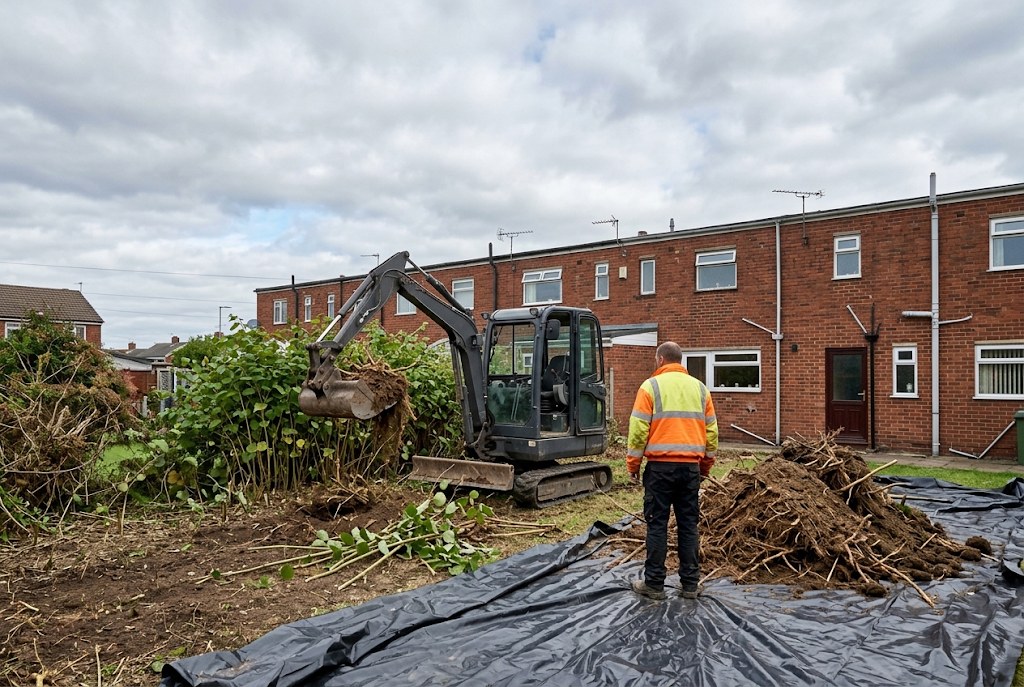
Send a photo through the contact page or ring us. Whether or not it is knotweed, you get an answer and no bill.
Addresses across WA9, WA10 and WA11, plus Rainhill (L35) and Newton-le-Willows (WA12), from the town centre out to the borough edges. Based in St Helens itself, so most visits across the borough can be fitted in within a few days.
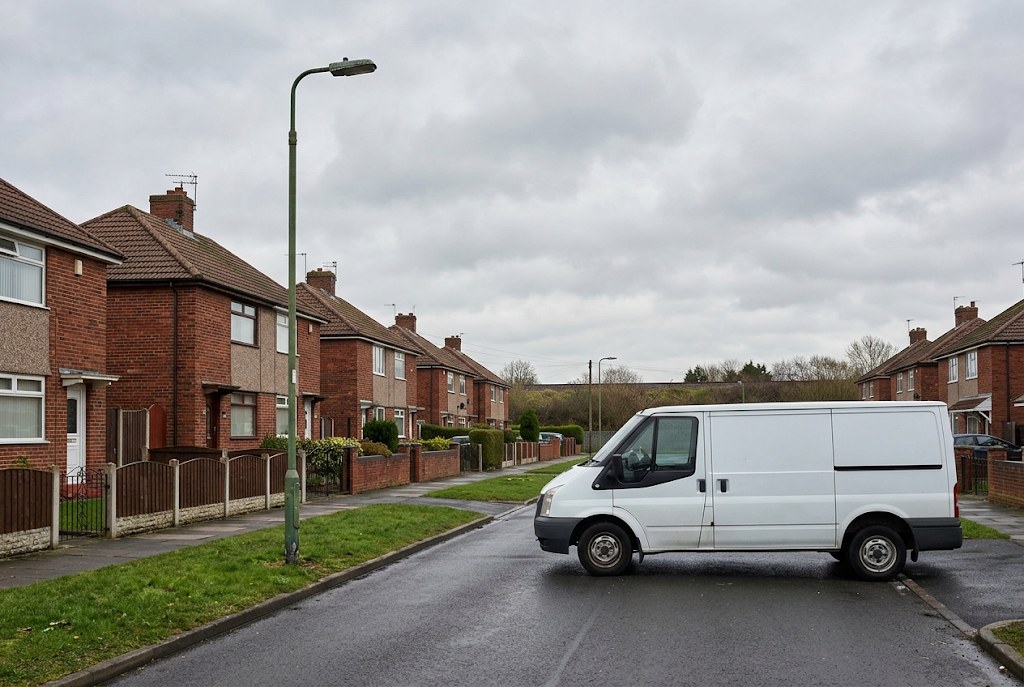
The photo check costs nothing. The report is yours to keep. The price is agreed before any work starts.
Thatto Heath is largely interwar and postwar housing on ground that was once worked for coal. Many streets have shared garage courts, grass verges and strips beside the railway that nobody quite owns. Those unmanaged corners are where knotweed tends to establish before it reaches fences. Look at the base of boundary walls, at the edges of courts and anywhere weeds seem unusually tall.
If a stand is on communal or railside land, ownership is the first question, and a dated record helps when you contact the right party. A survey notes the location and how far the roots could travel. For sellers, a lender may ask for a plan, so starting early prevents delay.